
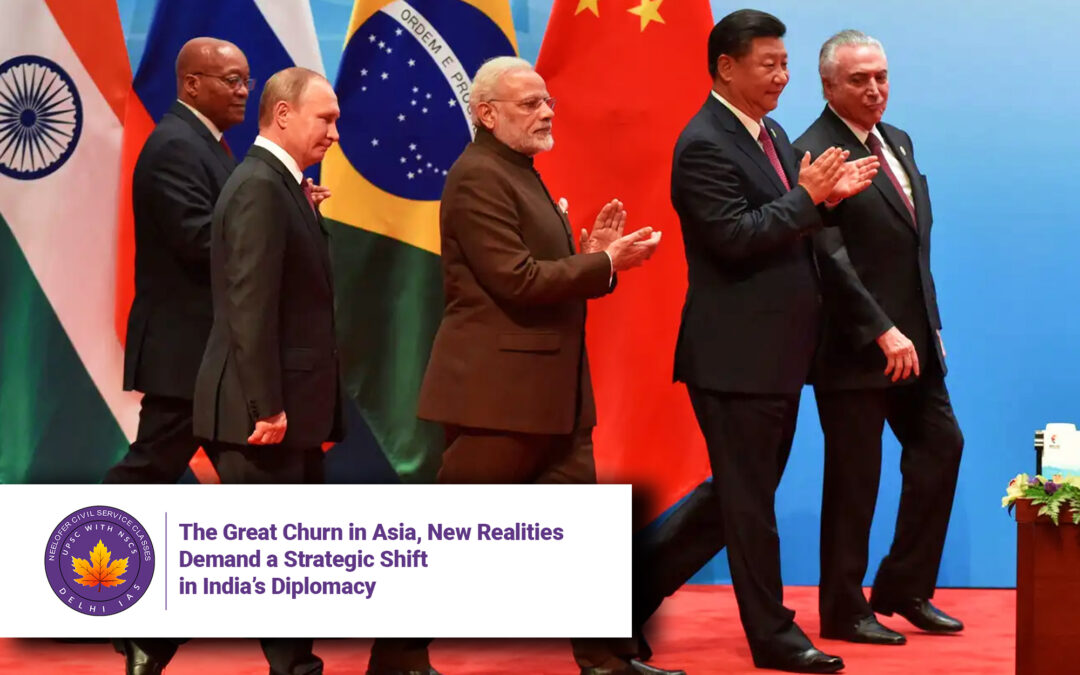
The Great Churn in Asia, New Realities Demand a Strategic Shift in India’s Diplomacy
Why in News?
Two significant events have brought to light the rapid transformation in Asia’s geopolitical landscape: the Shangri-La Dialogue (SLD) in Singapore and the South Korean presidential election. These developments underscore the need for India to rethink its foreign policy strategy, emphasizing adaptability, stronger regional engagement, and a nuanced balance between major powers. 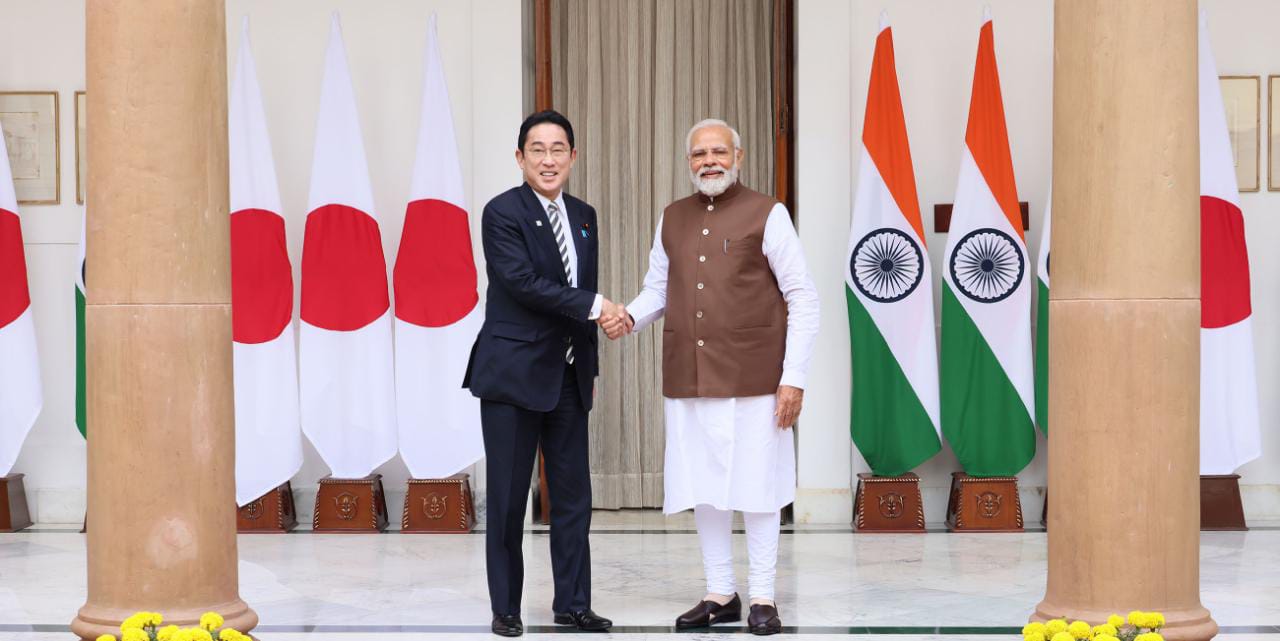
Introduction
Asia is witnessing a complex reshaping of strategic dynamics. The Shangri-La Dialogue—a prominent platform for defense diplomacy—offered insights into shifting alliances, US-China rivalry, and Europe’s evolving role in Asia. Simultaneously, South Korea’s election of likely left-leaning candidate Lee Jae-myung is expected to bring changes not only to Korean domestic politics but also to the regional balance of power.
Key Issues and Developments
1. Shangri-La Dialogue (SLD): A Stage for Strategic Shifts
-
The absence of China’s defense minister highlighted the chill in US-China military diplomacy.
-
US Secretary of Defense Lloyd Austin emphasized a new Asian strategy: prioritizing alliances with the Indo-Pacific while balancing economic and military support.
-
France and the EU called for a “balanced” and “strategic autonomy” approach, avoiding binary choices between the US and China.
2. France and Europe: Looking Beyond the US
-
French President Emmanuel Macron questioned the dominance of the US and expressed support for building a Europe-Asia partnership independent of old Cold War alignments.
-
European voices stressed the need for greater self-reliance, especially in the Indo-Pacific.
3. South Korea’s Political Transition
-
The victory of Lee Jae-myung may lead to a more pragmatic and sovereignty-focused approach toward North Korea, reducing reliance on the US and balancing ties with China.
-
Lee is seen as someone who may stabilize trade and reduce military tension, favoring diplomacy over confrontation.
4. US Strategy: Security Over Economics
-
While the US emphasized military partnerships, it offered limited economic engagement.
-
Hegseth stated that US support would not be unconditional and that allies must spend more on defense, citing Japan and India as examples.
5. India’s Strategic Rethink
-
India’s decades-old strategy of “nonalignment” and reliance on global powers needs an upgrade.
-
The current environment of regional uncertainty, economic instability, and shifting alliances means India must now pursue:
-
Flexible diplomacy
-
Stronger regional coalitions
-
Independent security thinking
-
-
As global polarization deepens, Delhi must chart a course that secures its national interest without being dragged into ideological rivalries.
Five Key Takeaways
-
The Shangri-La Dialogue emphasized how US, EU, and Asian nations are rethinking alliances amid China’s rise and unpredictability.
-
South Korea’s election is likely to lead to a shift in its strategic position, with greater emphasis on diplomacy and internal stability.
-
The US approach to Asia now leans heavily on security partnerships, with less economic engagement than in the past.
-
Europe is asserting strategic autonomy, calling for balanced relationships with both the US and China.
-
India must restructure its diplomatic posture, focusing on resilience, flexible alliances, and a stronger regional footprint.
Q&A Section
1. What is the Shangri-La Dialogue (SLD) and why is it important?
The SLD is a premier defense summit in Asia where regional security strategies are discussed. It reflects current geopolitical tensions and the direction of global power shifts.
2. What does the election of Lee Jae-myung in South Korea mean for Asia?
Lee’s leadership is expected to bring a pragmatic and less confrontational approach to North Korea, along with a balanced relationship with both the US and China.
3. How has the US shifted its strategy in Asia?
The US has doubled down on military alliances but offers limited economic support. It wants allies like Japan and India to spend more on defense and reduce dependency.
4. What role is Europe playing in Asia’s geopolitical shifts?
European leaders are advocating for strategic autonomy—partnering with Asia on their own terms without aligning strictly with the US or confronting China directly.
5. What changes are needed in India’s foreign policy?
India must move from reactive diplomacy to proactive strategic thinking, prioritizing regional stability, independent decision-making, and diversified partnerships.

