
The Arrest of Ali Khan Mahmudabad, A Mirror to Deeper Fault Lines
Why in News?
The wrongful arrest of academic and writer Ali Khan Mahmudabad has ignited significant debate not only about civil liberties but also the deeper political and social tensions in contemporary India. 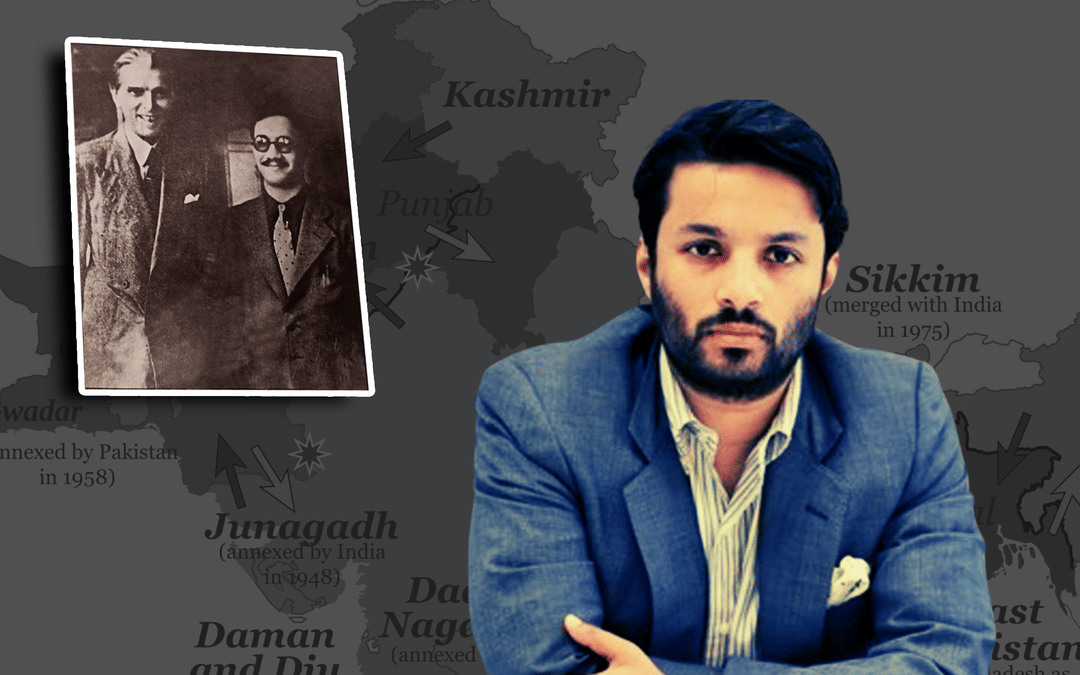
Introduction
Ali Khan Mahmudabad, an esteemed academic and public intellectual, recently faced a wrongful arrest, sparking concerns over freedom of speech, judicial overreach, and the politicization of justice. The situation has brought to the surface critical questions about religious identity, democracy, and the misuse of state power.
Key Issues and Background
The Arrest and its Symbolism:
-
Mahmudabad was reportedly arrested based on his publications and views, many of which were misinterpreted or taken out of context.
-
The move was seen as an attempt to intimidate intellectuals and minorities, especially Muslims, by equating dissent with criminality.
The Media Optics:
-
The media narrative was manipulated to portray Mahmudabad’s writings as subversive.
-
Public discourse surrounding the case revealed a deep societal divide and a biased perception of academic critique.
The Core of the Concern
-
The arrest is part of a larger trend of silencing those who question the status quo.
-
While Mahmudabad’s critique was academic in nature, it was perceived through a communal and political lens.
-
The focus on his identity as a Muslim intellectual revealed the prejudice and mistrust faced by minority voices in the public space.
Key Observations
-
English as a Political Language: The incident reflects how language, particularly English, has become a class and ideological battlefield.
-
A “high level of service” in English becomes both a shield and a weapon, used selectively depending on the identity of the speaker.
-
The arrest exposed the hypocrisy of “free speech” advocates who fall silent when minority voices are attacked.
-
Supreme Court’s reminder that “doing unconstitutional police acts is unconstitutional” was timely, yet the misuse continues.
Challenges and the Way Forward
Challenges:
-
A shrinking space for critical thinking and dissent.
-
Growing state intolerance toward intellectual freedom.
-
Lack of institutional protection for scholars, writers, and public figures who challenge dominant narratives.
Steps Forward:
-
Establish clear legal safeguards against arbitrary arrests of academics and writers.
-
Encourage civil society and media to defend intellectual freedom, irrespective of the identity of the accused.
-
Reform policing practices to ensure that criticism of the state is not mischaracterized as sedition or incitement.
Conclusion
The arrest of Ali Khan Mahmudabad was not just about one man—it was a reflection of India’s growing discomfort with independent, intellectual dissent, especially from minority communities. If India is to uphold its democratic values, it must learn to embrace disagreement, not punish it.
Q&A Section
-
Who is Ali Khan Mahmudabad and why was he in the news?
He is an academic and writer who was recently arrested, allegedly for his published views that were misinterpreted as inflammatory. -
Why is his arrest controversial?
It is seen as an attempt to intimidate intellectuals and stifle dissent, particularly from minorities. -
What broader issues does this arrest highlight?
The politicization of justice, communal bias, and shrinking space for free thought and expression. -
How does language play a role in this issue?
The use of English in academic and political expression has become both a shield and a target, depending on the speaker’s identity. -
What can be done to prevent such incidents in the future?
Strengthening legal safeguards, media responsibility, and public support for academic freedom are essential.

