
Combating Adolescent Obesity, A Growing Public Health Challenge
Why in News?
India is witnessing a troubling rise in obesity among adolescents. This concern gained attention during the 7th edition of Poshan Pakhwada, which highlighted childhood and adolescent obesity. Additionally, a newly released government policy emphasizes the need for healthier food environments for adolescents, aiming to address the widening obesity crisis. 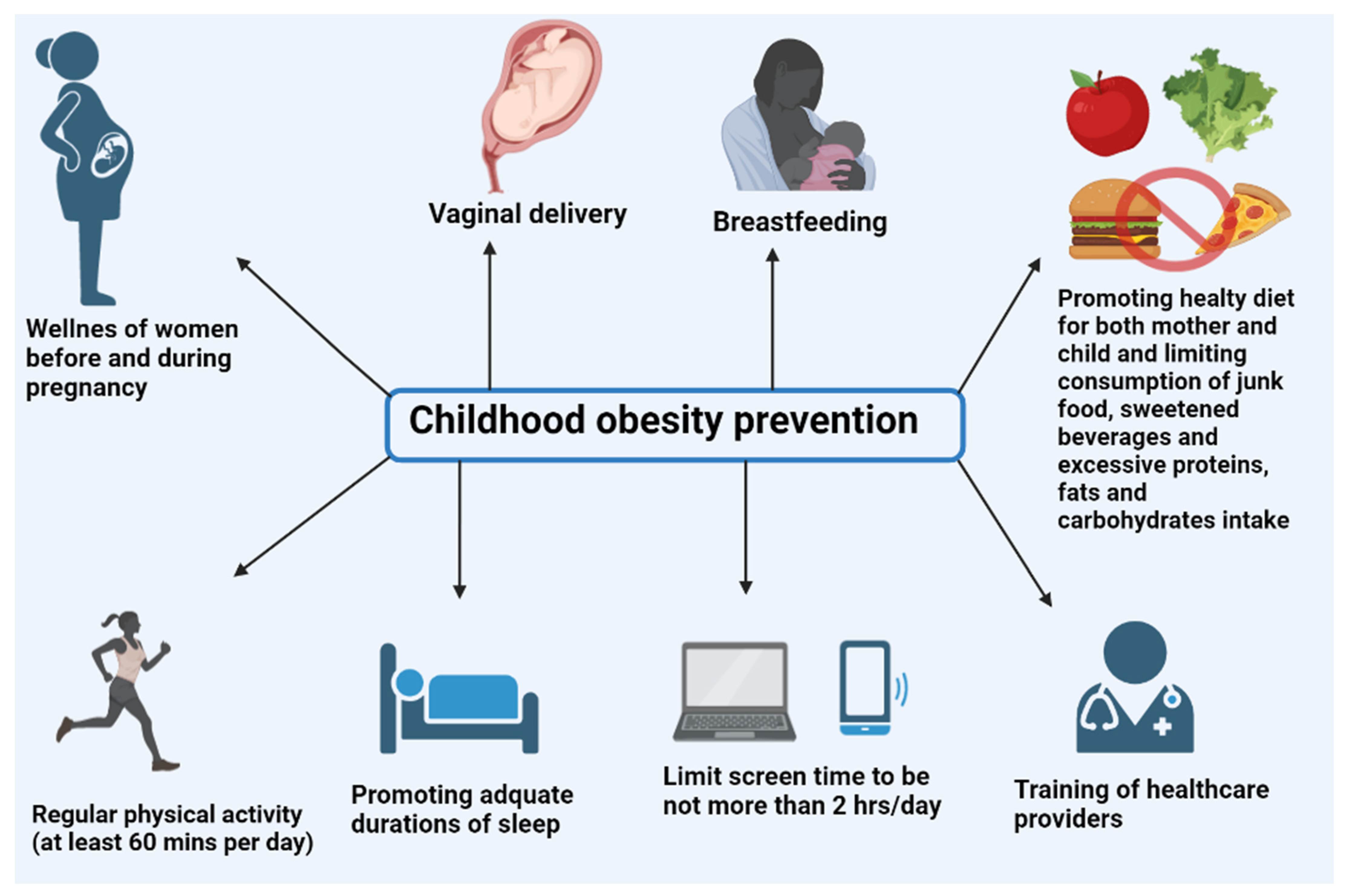
Introduction
Adolescence is a critical stage for physical and mental growth, laying the foundation for future health. Yet, this vital period is increasingly threatened by poor dietary habits, sedentary lifestyles, and a paradoxical mix of undernutrition and rising obesity rates. These challenges demand urgent attention from policymakers, parents, and educators.
Key Issues and Background
1. The Nutrition Paradox
Adolescents today face:
-
A double burden of malnutrition: undernutrition and obesity.
-
Poor dietary patterns and reliance on processed, high-fat, and sugary foods.
-
Increased consumption of ultra-processed packaged items.
2. Data from National Nutrition Surveys
-
On average, one in four adolescents is either overweight or obese.
-
States with a fifth of adolescent population falling in this category show deepening concerns.
-
The World Obesity Atlas 2024 notes India as one of the countries with the steepest increases in childhood obesity.
3. Influence of Food Environment and Marketing
-
Children are heavily exposed to aggressive marketing of sugary, salty, and fatty foods.
-
Availability of ultra-processed foods in and around schools worsens the issue.
-
Peer influence, digital platforms, and advertising manipulate adolescent food choices.
Specific Impacts or Effects
-
Rising obesity levels increase the risk of lifelong diseases including diabetes and heart conditions.
-
Declining physical activity among adolescents affects their productivity and emotional health.
-
Junk food marketing contributes to poor eating habits that persist into adulthood.
Challenges and the Way Forward
Challenges
-
Poor implementation of nutrition policies.
-
Inadequate physical infrastructure like playgrounds in schools.
-
Weak food labelling regulations.
-
Fragmented coordination between government bodies.
Steps Forward
-
Create healthier food environments, especially around schools and public spaces.
-
Enforce stricter food labelling laws and regulate food advertising to minors.
-
Promote physical activity and nutrition education at the school level.
-
Adopt multi-sectoral collaboration involving health, education, agriculture, and consumer affairs.
-
Empower adolescents and families through awareness campaigns and youth leadership.
Conclusion
India stands at a crucial juncture where adolescent obesity can either become a full-blown public health crisis or be controlled through timely interventions. A comprehensive strategy involving policy reform, healthier environments, and community involvement can pave the way toward a healthier, more resilient young generation.
5 Questions and Answers
Q1: What triggered the public concern over adolescent obesity in India?
A: The 7th Poshan Pakhwada and a new government policy focusing on adolescent food environments have drawn attention to the rising obesity rates.
Q2: What is the current status of adolescent obesity in India?
A: According to national surveys, around one in four adolescents is overweight or obese, with some states showing even higher rates.
Q3: What are the main reasons behind rising obesity among adolescents?
A: Poor dietary habits, consumption of processed foods, sedentary lifestyles, and aggressive junk food marketing are major contributors.
Q4: What are the risks associated with adolescent obesity?
A: Increased risks of chronic diseases, poor academic performance, and long-term health issues like diabetes and cardiovascular problems.
Q5: What steps are suggested to tackle adolescent obesity?
A: Mandatory nutrition education, promoting physical activity, regulating food marketing, improving food environments, and stronger inter-sectoral coordination.

