

Women Empowerment, The Missing Link in India’s Nutrition Mission
Why in News?
Despite significant funding and schemes like POSHAN Abhiyaan to improve nutrition outcomes, India continues to face persistent malnutrition and anaemia among women, highlighting the need to empower women economically and socially for better health outcomes. 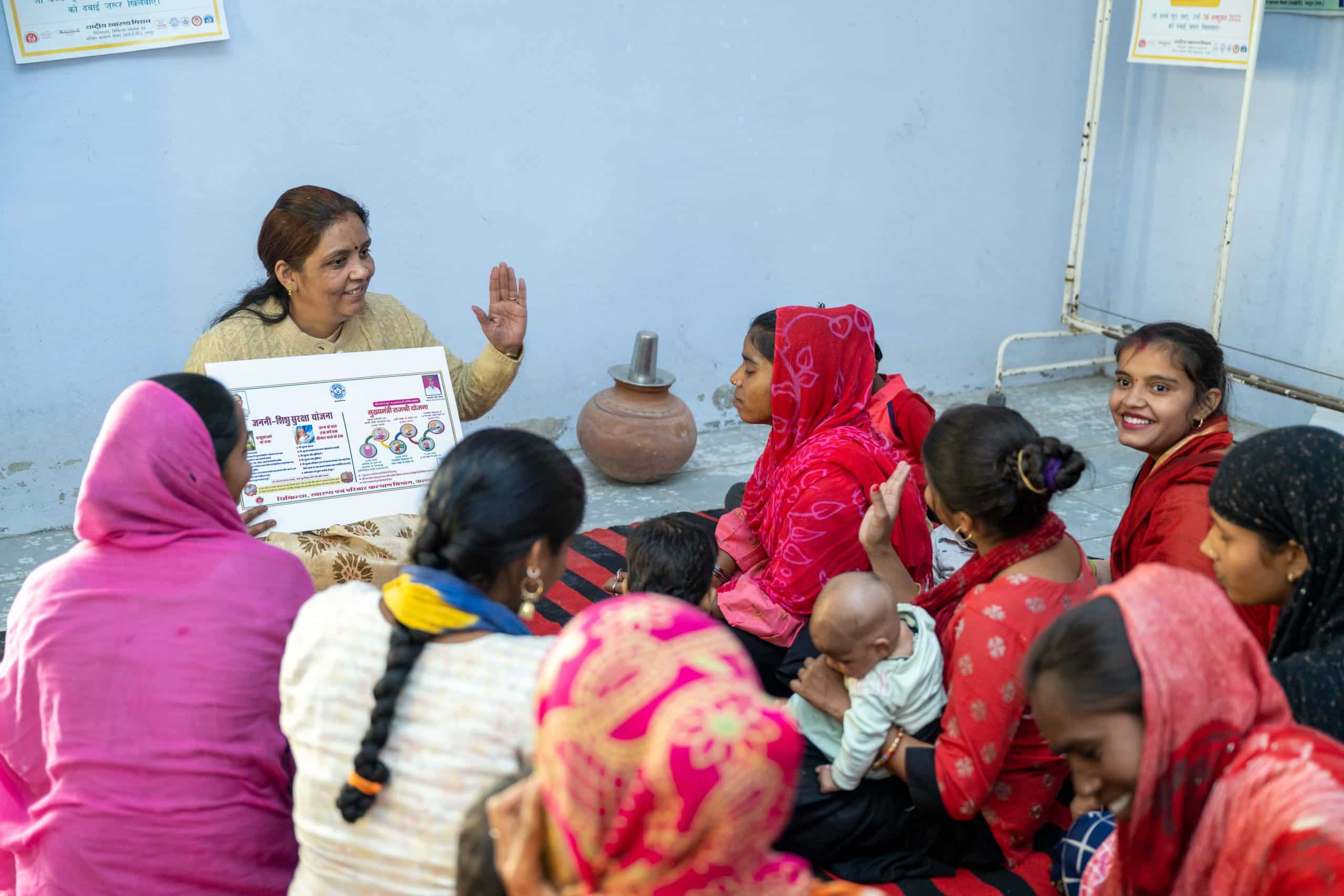
Introduction
India’s ambitious free foodgrain programme covers nearly 800 million people, yet malnutrition and hunger remain major challenges—especially among women and girls, who are often neglected in nutrition policies. The POSHAN Abhiyaan, launched in 2018, aimed to eradicate malnutrition by 2022, but nutritional inequalities remain stark, largely due to structural and gender-based disparities.
Key Issues and Background
1. Structural Failures in Nutrition Schemes
-
According to NFHS-5, 57% of women (15-49 years) are anaemic, while 1 in 5 is underweight.
-
Women are significantly more likely to be malnourished than men.
-
POSHAN 2.0 and Saksham Anganwadi received ₹24,000 crore, but by December 2022, only 69% of the funds had been utilised.
-
Despite investment, nutritional indicators for women have not improved in proportion.
2. Link Between Financial Empowerment and Nutrition
-
Studies by economist Esther Duflo show that when women control finances, nutrition and well-being improve.
-
In low-income communities, women with control over income show better decision-making and healthier outcomes.
-
But in India, only 49% of women can make decisions over their own health and diet, due to financial dependence.
The Core of the Concern
Gendered Power Imbalance
-
Even employed women lack control over income and decision-making.
-
Most women work in the informal sector, earning low wages and lacking job security.
-
Without skills training and equal pay, economic participation does not translate into autonomy in nutrition choices.
Key Observations
-
POSHAN Abhiyaan focuses on creating awareness, but awareness alone is not enough.
-
Without economic empowerment, women can’t act on nutritional advice.
-
Real success requires convergence of nutrition schemes with income generation, health education, and decision-making authority for women.
Conclusion
A malnutrition-free India is not possible unless women are seen as active agents rather than passive beneficiaries. Addressing gendered economic inequality, ensuring skill-building, and making women the center of health and nutrition decisions is key to ensuring long-term success in eradicating malnutrition.
5 Questions and Answers
Q1. What does NFHS-5 reveal about women’s nutrition in India?
A: It shows that 57% of women are anaemic and nearly one in five is underweight, highlighting a serious gender gap in nutrition outcomes.
Q2. Why has POSHAN Abhiyaan not achieved the desired impact?
A: Despite a large budget, low fund utilization, and the lack of focus on women’s empowerment have limited its effectiveness.
Q3. How is women’s financial empowerment linked to nutrition outcomes?
A: When women control income, they are more likely to invest in better nutrition and health for themselves and their families.
Q4. What are the barriers even employed women face in making nutrition decisions?
A: Many women work in low-paid informal jobs, with little decision-making power or control over income, preventing them from prioritizing health.
Q5. What should POSHAN 2.0 focus on to improve its effectiveness?
A: It should integrate income generation, nutrition education, and skills training, ensuring women have the power and resources to act on health advice.

