

India New Strategic Posture, Global Mobilisation Against Pakistan’s Nuclear Threats
Why in News?
Prime Minister Narendra Modi’s recent statements and visit to the frontline Air Force base in Punjab have signaled a firm shift in India’s strategic doctrine—rejecting conciliatory postures and calling for global mobilisation against Pakistan’s use of nuclear threats and terrorism. 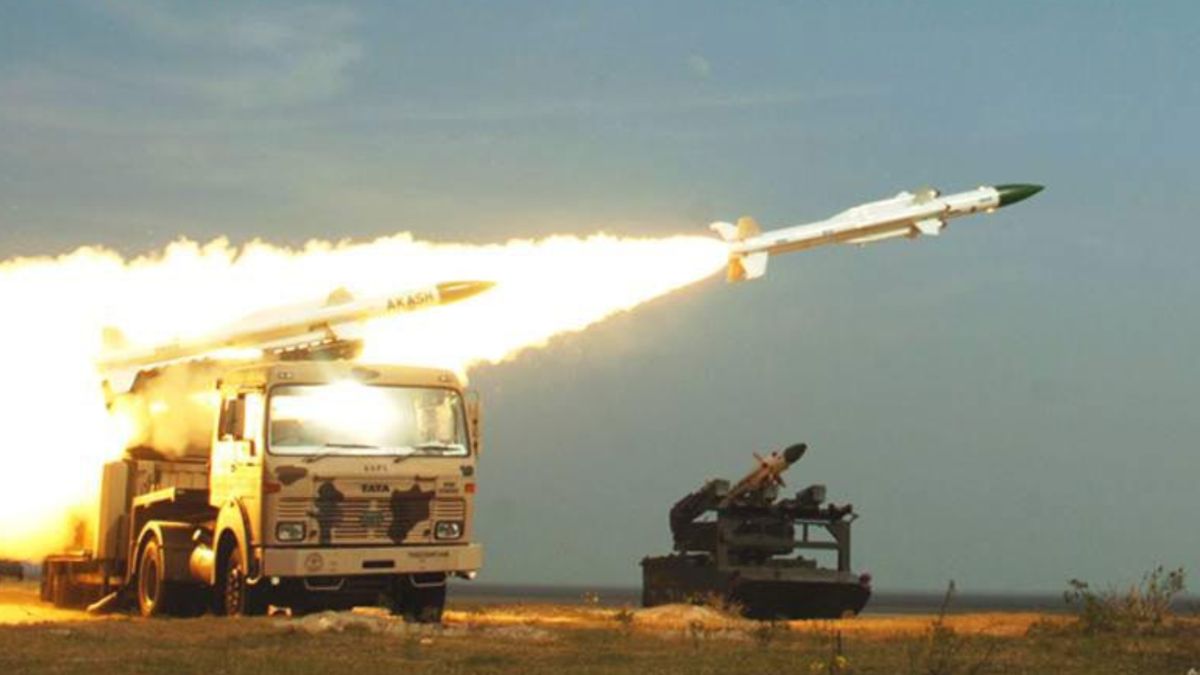)
Introduction
India’s national security narrative has entered a decisive phase following Pakistan’s continued use of terrorism as a strategic tool and nuclear blackmail. India has now clearly stated it will not tolerate such threats, and seeks to galvanize international opinion to isolate Pakistan diplomatically and strategically.
Key Issues and Background
1. India’s Revised Strategic Doctrine
Prime Minister Modi emphasized that India will no longer wait for Pakistan’s narrative or accept its justification for cross-border terrorism. Instead, India will act independently and decisively, as seen in past actions like the Surgical Strikes of 2016 and the Balakot Airstrikes of 2019.
2. Operation Sindoora and New Approaches
Although details remain classified, Operation Sindoora is cited as part of the ongoing military preparedness. This aligns with India’s readiness to respond with clarity and resolve to future provocations.
3. Water Diplomacy and Strategic Autonomy
India reiterated its decision to stay firm on suspending the Indus Waters Treaty, showcasing a tougher stance on geopolitical bargaining tools. The Prime Minister made it clear that India’s future actions would be nationally driven, not influenced by external actors like the U.S.
4. Debunking Nuclear Blackmail
PM Modi’s visit to the Adampur Air Base, 100 km from the border, also countered Pakistan’s claim that India’s S-400 missile system base was targeted. India aims to discredit false propaganda and nuclear fear-mongering used by Pakistan in military and diplomatic circles.
5. Time for Global Coalition Against Terrorism
India must now work with other responsible nations to launch a global conversation on nuclear risk and state-sponsored terrorism. Global silence on this matter enables further escalation, making it critical for strategic diplomacy to take the lead.
Conclusion
India’s new stance signals the end of strategic restraint. While not aggressive, India is now clear that terrorism and nuclear threats will not dictate policy. The time is ripe for international collaboration to counter Pakistan’s dual threats of terrorism and nuclear blackmail. India’s message is one of self-reliance, clarity, and proactive diplomacy.
5 Questions and Answers
Q1. What is Operation Sindoora and how is it significant?
Answer: Operation Sindoora is an ongoing strategic military operation indicating India’s preparedness and its proactive approach to border security in the face of Pakistan’s provocations.
Q2. What recent stance has India taken regarding the Indus Waters Treaty?
Answer: India has decided to stay firm on suspending the Indus Waters Treaty, signaling a tougher diplomatic posture in response to Pakistan’s continued aggression.
Q3. How did PM Modi respond to claims about U.S. mediation in Indo-Pak talks?
Answer: PM Modi categorically stated that India would be guided entirely by its national interests, rejecting any foreign mediation or influence over its security decisions.
Q4. What was the significance of PM Modi’s visit to the Adampur Air Base?
Answer: The visit served to refute Pakistan’s propaganda and demonstrated India’s operational readiness and strategic deterrence capabilities, especially with assets like the S-400 system.
Q5. What global approach has India advocated for dealing with Pakistan?
Answer: India has called for global mobilisation and dialogue against Pakistan’s strategy of terrorism and nuclear intimidation, urging other countries to be proactive in addressing this shared threat.

