
A New Pope and the Religious Profile of Catholics in India
Why in News?
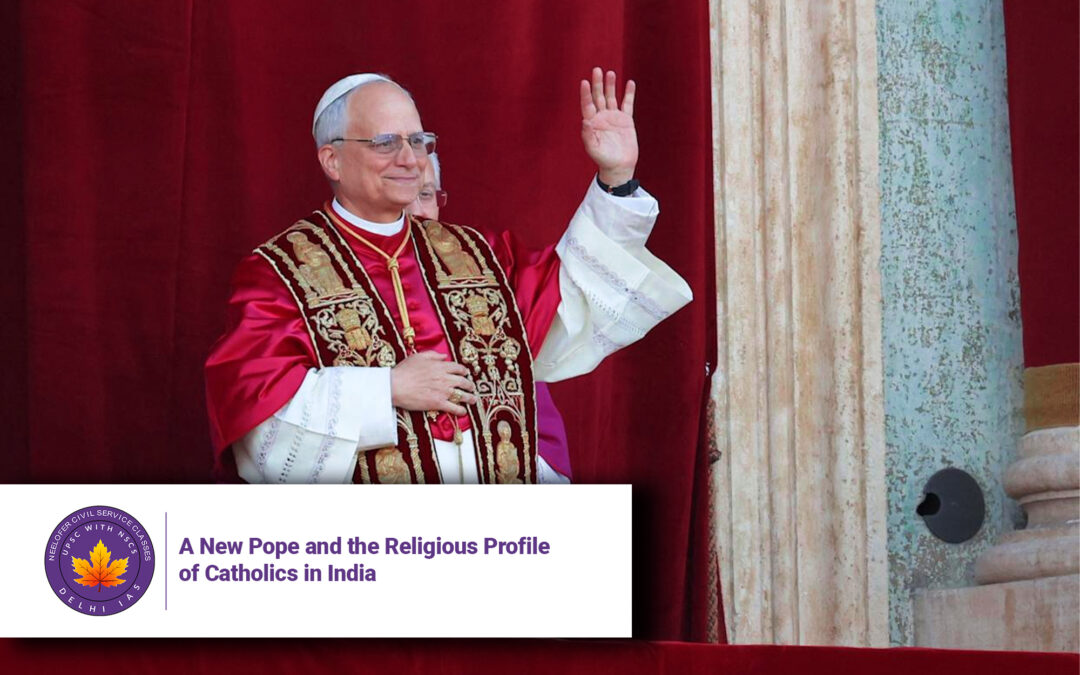
With the passing of Pope Francis, Chicago-born Cardinal Robert Francis Prevost has been elected as the new Pope, becoming Pope Leo XV. This transition in the leadership of the Roman Catholic Church has sparked renewed interest in understanding the global Catholic community — especially its presence and role in countries like India, which has a significant Catholic population within its Christian minority. 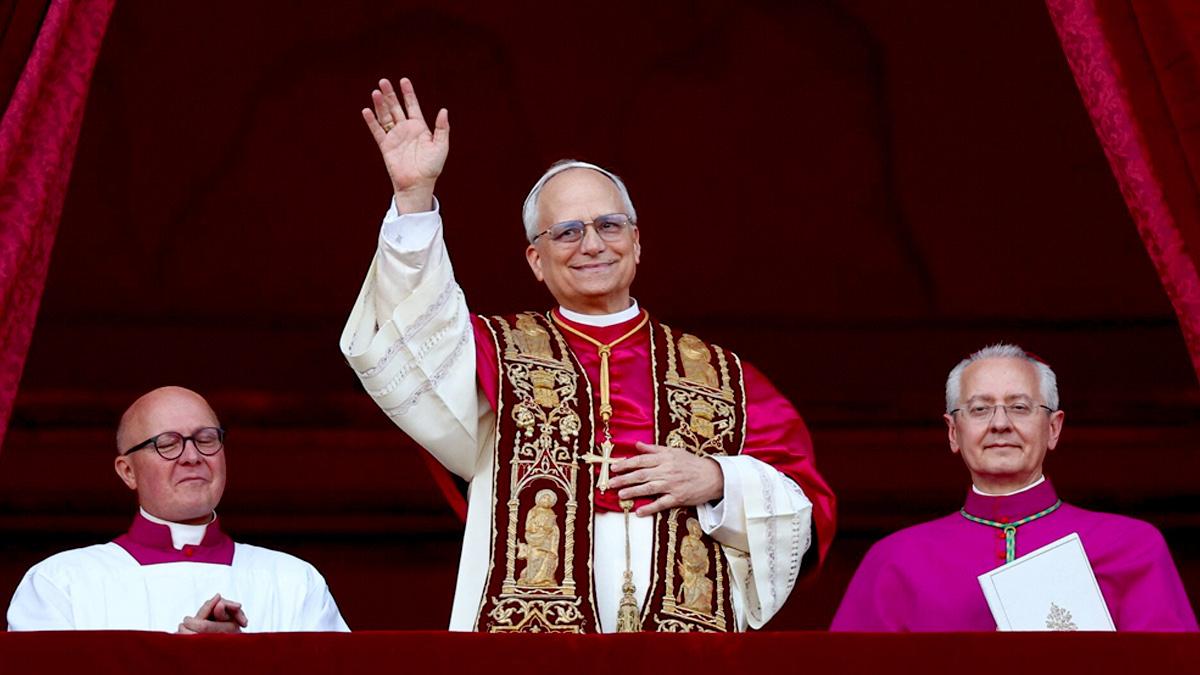
Introduction
Christianity is the third largest religion in India after Hinduism and Islam. Within Christianity, Catholicism holds a dominant share, both globally and in India. As per data from the PEW Research Center and the 2011 Census of India, Catholics constitute 36.9% of Christians in India, followed by Baptists (17.9%) and Presbyterians (9.5%). A detailed look at Indian Christians offers insight into their religious behaviour, socio-economic values, and regional distribution.
Key Insights on Indian Catholics
1. Demographic Distribution
-
Catholics are the largest Christian denomination in India.
-
States like Goa (88.1%), Nagaland, and Mizoram have high Catholic proportions within their Christian population.
-
Catholics are distributed across social groups: 73.9% are from SCs, 17.3% STs, and 23.5% from OBCs.
2. Religious Behaviour (Table 4)
-
Catholics strongly value religion:
-
99.6% say religion is important in life.
-
91.2% believe in God.
-
74.6% attend services regularly.
-
69.5% make pilgrimages.
-
65.2% observe fasting.
-
82.6% fear the Day of Judgement.
-
3. Social & Economic Attitudes (Table 5)
-
92.5% of Catholics believe women should have the same rights as men.
-
61.8% believe men and women can equally lead.
-
80.5% believe in inheritance rights for both genders.
-
65.7% support abortion being legal.
-
Catholics generally show strong support for democracy, equality, and interfaith harmony.
4. Education & Social Mobility
-
Catholics tend to have higher literacy and positive socio-political values, similar to other Christian denominations in India.
Challenges and Observations
Despite being a minority, Indian Catholics show high levels of religiosity and progressive attitudes. Their commitment to education, social inclusion, and gender equality reflects the broader diversity within Christianity in India. However, rising religious polarization and socio-political pressures still pose challenges to minority rights.
Conclusion
The election of a new Pope offers a moment for reflection — not only on Catholicism’s global role but also on its vibrant and diverse presence in India. Indian Catholics, with their deep faith and forward-looking values, continue to contribute meaningfully to the country’s religious and social fabric. Understanding their role is crucial in the broader dialogue on pluralism and religious harmony in India.
5 Q&A Based on the Article
Q1. Who has been elected as the new Pope in 2025?
A: Cardinal Robert Francis Prevost from Chicago has been elected as Pope Leo XV after the passing of Pope Francis.
Q2. What percentage of Christians in India are Catholic?
A: According to the PEW Research Center, 36.9% of Indian Christians are Catholic.
Q3. How do Indian Catholics compare with other Christian groups in religious behaviour?
A: Indian Catholics show high religiosity, with 99.6% saying religion is important and 91.2% believing in God. They are also active in fasting, pilgrimages, and attending services.
Q4. What are the social values of Indian Catholics?
A: Most Indian Catholics believe in gender equality, democracy, inheritance rights, and support legal abortion and interfaith marriages.
Q5. In which Indian states is Catholicism most prevalent within the Christian population?
A: States like Goa (88.1%), Nagaland, and Mizoram have the highest proportions of Catholics among their Christian populations.

