
How is Spaceflight Safety Ensured?
ISRO’s Gaganyaan Mission Follows International Protocols to Ensure Crew Safety in All Phases
Why in News?
As the Indian Space Research Organisation (ISRO) prepares for its maiden human spaceflight mission, Gaganyaan, the focus has shifted to how spaceflight safety is ensured. With the safe return of NASA astronauts from the ISS recently, the importance of safety protocols in human spaceflight has come to the fore. 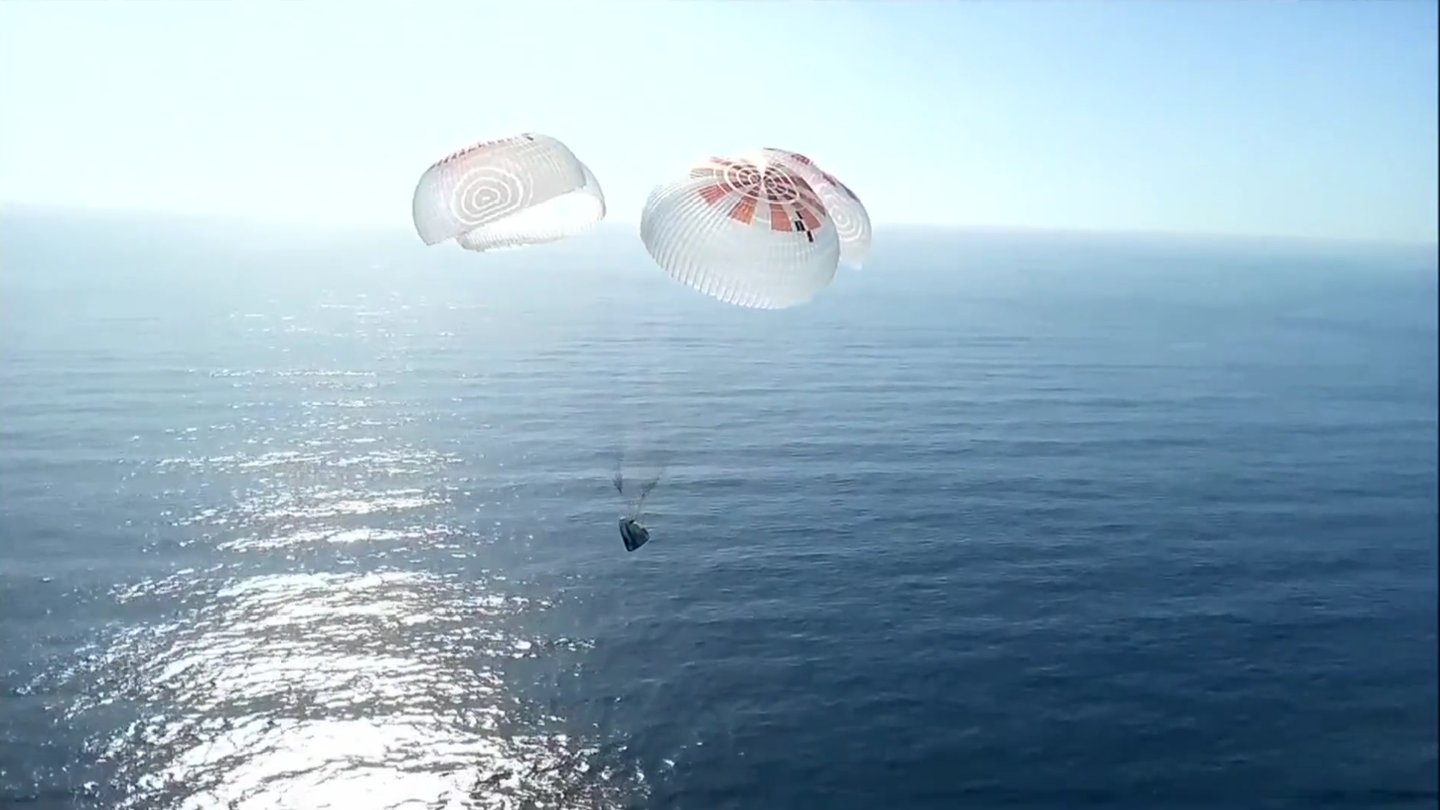
Introduction
Spaceflight is inherently risky, with history marked by both great achievements and tragic failures. Out of around 676 people who have been to space, 17 astronauts and 4 cosmonauts have died in accidents. The Gaganyaan mission is meticulously planning each phase—from launch to orbit entry and return—based on lessons from NASA, ESA, and Roscosmos to ensure astronaut safety.
Key Issues
1. Safety During Launch
ISRO has developed an emergency escape system called the Crew Escape System (CES). If a launch anomaly occurs, CES can eject the crew module within 3 seconds using solid fuel-powered motors, pulling it away from the launch vehicle to safety.
In past missions, like Apollo (1971) and Soyuz (1983), astronauts were saved by similar escape systems. Gaganyaan will use solid-fuel powered quick-thrust rockets to carry the crew to safety in emergencies.
2. Entering and Staying in Orbit
Once safely in orbit, Gaganyaan’s crew module will separate from the launch vehicle and operate independently. Two pairs of engines and thrusters will adjust altitude and orientation to avoid space debris and keep the module in the right trajectory.
3. Safety at the ISS
Though Gaganyaan isn’t expected to dock with the ISS, the astronauts will be trained in those protocols. In the event of emergencies like loss of pressure or fire, the capsule can quickly move to a safe location in orbit.
4. Returning to Earth
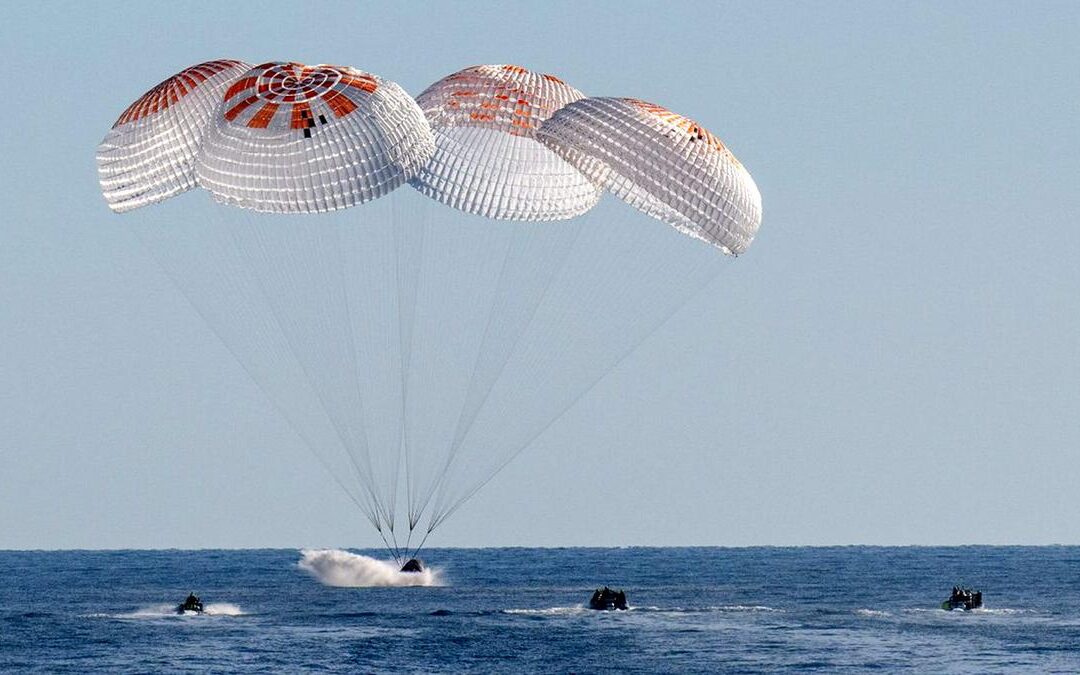
Re-entry is one of the most dangerous stages. The Gaganyaan capsule will deploy parachutes at about 2 km altitude to slow down, with its heat shield designed to withstand temperatures over 1,800°C as it re-enters Earth’s atmosphere. Upon landing in the sea, helicopters and ships will retrieve the crew.
5. Backup Safety Systems
The Gaganyaan capsule will have a backup parachute system, a crew safety support system, and rescue protocols similar to those of NASA’s Apollo and SpaceX Crew Dragon.
Challenges and the Way Forward
One of the biggest challenges for ISRO is ensuring the astronauts’ safety across every stage. With multiple tests already completed and more scheduled (like a test flight with a humanoid robot in 2024), ISRO is following international best practices. The success of Gaganyaan will mark a milestone in India’s human spaceflight journey.
Conclusion
The Gaganyaan mission is a testament to ISRO’s commitment to human spaceflight safety. With rigorous testing, international protocols, and contingency systems in place, ISRO is preparing for a safe and historic mission. This endeavor will set the foundation for future crewed space missions from India.
Q&A Section
Q1: What is the Crew Escape System (CES) in Gaganyaan?
A: The CES is a solid-fuel-powered system that can eject the crew module from the rocket within seconds in case of launch failure, ensuring astronauts’ safety.
Q2: How does Gaganyaan ensure safety during re-entry to Earth?
A: The capsule uses a heat shield that withstands temperatures over 1,800°C and deploys parachutes at 2 km altitude to ensure a safe landing in the sea.
Q3: Is Gaganyaan docking with the International Space Station (ISS)?
A: No, Gaganyaan isn’t expected to dock with the ISS, but its astronauts will be trained in standard docking protocols.
Q4: How is ISRO preparing astronauts for space emergencies?
A: Astronauts will be trained in emergency escape, survival, docking procedures, and handling low-atmosphere and low-gravity situations.
Q5: What makes Gaganyaan’s launch safety system unique?
A: Unlike older designs, Gaganyaan’s CES is mounted separately and can quickly pull the crew capsule to safety, reducing the risk during launch.
