
Is the World Heading Towards a New Plaza Accord?
Dollar Depreciation is Underway — But Without a Formal Pact
Why in News?
As the US dollar begins to weaken amid global economic shifts and reduced trust in American institutions, many economists and analysts are wondering if we are witnessing a modern-day version of the 1985 Plaza Accord — informally dubbed the “Mar-a-Lago Accord.” 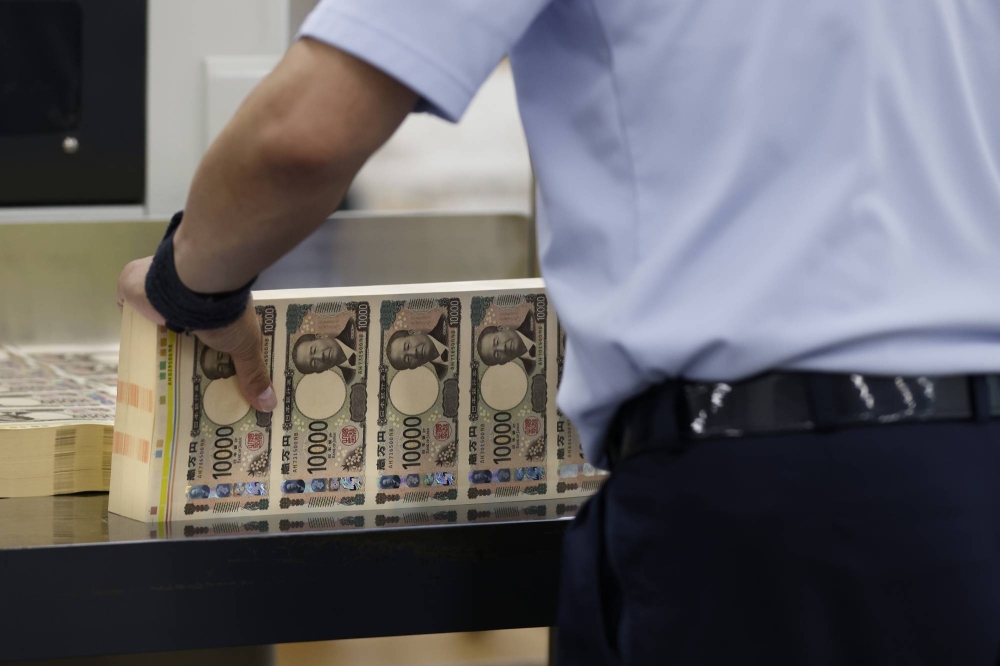
Introduction
Under Donald Trump’s presidency, protectionism became central to US economic policy. His administration’s skepticism toward global institutions and push for domestic industry reshaped international monetary dynamics. One outcome is the growing speculation of a “Mar-a-Lago Accord” — a reference to a possible new global agreement for dollar depreciation without formal negotiation.
Key Points of the Discussion
1. What Was the Plaza Accord?
The Plaza Accord of 1985 was a coordinated effort by five major economies — the US, Japan, West Germany, France, and the UK — to weaken the US dollar. The dollar had become too strong due to capital inflows and trust in American institutions. To address imbalances, these countries cooperated to depreciate the dollar, helping boost US exports and correct trade deficits.
2. Is the Current Situation Similar?
Yes, but with key differences. The US dollar today is again overvalued, but the global financial environment is far more complex. The liquidity of modern markets and reduced central-bank influence mean a formal deal is unnecessary. Instead, depreciation is happening organically through market forces.
3. Shift in Global Confidence
Under Trump’s second presidency (or even the fear of one), skepticism toward US-led global finance grew. This led to:
-
Weaker global trust in American institutions.
-
Lower demand for dollar-based assets.
-
Dollar depreciation — from ₹83.09 on January 7, 2024, to ₹80.88 by April 2024 (about 4%).
4. Role of Rising Powers and Trade Blocks
Unlike the 1980s, emerging economies like China and India now play a larger role. There’s less global alignment around the US dollar. For example:
-
Europe and Japan once trusted the US post-WWII.
-
Now, countries like China push for de-dollarization.
-
The US must now compete diplomatically and economically without the same level of global goodwill.
5. Monetary Policy Complexity
Modern central banks focus more on domestic inflation and employment than managing exchange rates. Developed Market (DM) countries have not coordinated currency policies since 1993. The Federal Reserve’s goals limit its ability to manipulate currency values like in the 1980s.
Challenges and the Way Forward
-
Multilateral Coordination is Harder: Unlike the unified West of the ’80s, today’s geopolitics is fragmented.
-
No Need for a Formal Pact: Flexible exchange rates, floating dollar regimes, and dynamic capital markets reduce the need for formal accords.
-
The Real Risk: Populist narratives may oversimplify complex economics, turning “Mar-a-Lago Accord” into a political slogan rather than policy reality.
Conclusion
While the term “Mar-a-Lago Accord” may serve more as a metaphor than a real agreement, it captures the essence of the current dollar scenario — organic depreciation driven by market forces and diminishing trust in US-led financial structures. Unlike the Plaza Accord, today’s world doesn’t need — and may not tolerate — such a globally coordinated deal.
5 Q&A on the “New Plaza Accord” Scenario
Q1: What was the original Plaza Accord of 1985?
It was a joint agreement by five major economies to weaken the US dollar to correct trade imbalances and boost US exports. It worked due to global cooperation and trust in US institutions.
Q2: Why is the dollar depreciating now without an accord?
Because global financial markets are deeper, more liquid, and largely self-regulated. Central banks now focus on domestic issues like inflation, reducing the need for coordinated currency moves.
Q3: What’s meant by the term “Mar-a-Lago Accord”?
It’s an informal nickname referring to the idea of dollar depreciation under Trump-like protectionist policies — without any actual international deal being signed.
Q4: How does today differ from 1985?
Back then, the US had strong international goodwill and fewer global players. Today, nations like China, India, and a more integrated Europe complicate coordination, and the US faces skepticism on global leadership.
Q5: Is dollar depreciation good for the US?
It can help boost exports and manufacturing jobs. However, it also raises import costs and inflation risks. The net effect depends on timing, global cooperation, and internal economic resilience.
