
Surrender Policy is Not a Complete Solution, Say Maoists
Why in News?
On April 8, 2025, a press release by the banned Communist Party of India (Maoist) from its North-West Sub-Zonal Bureau rejected the government’s ongoing surrender policy, arguing that it is not a complete solution to the Maoist insurgency. This comes days after Union Home Minister Amit Shah appealed to Maoists to lay down arms and join the mainstream. 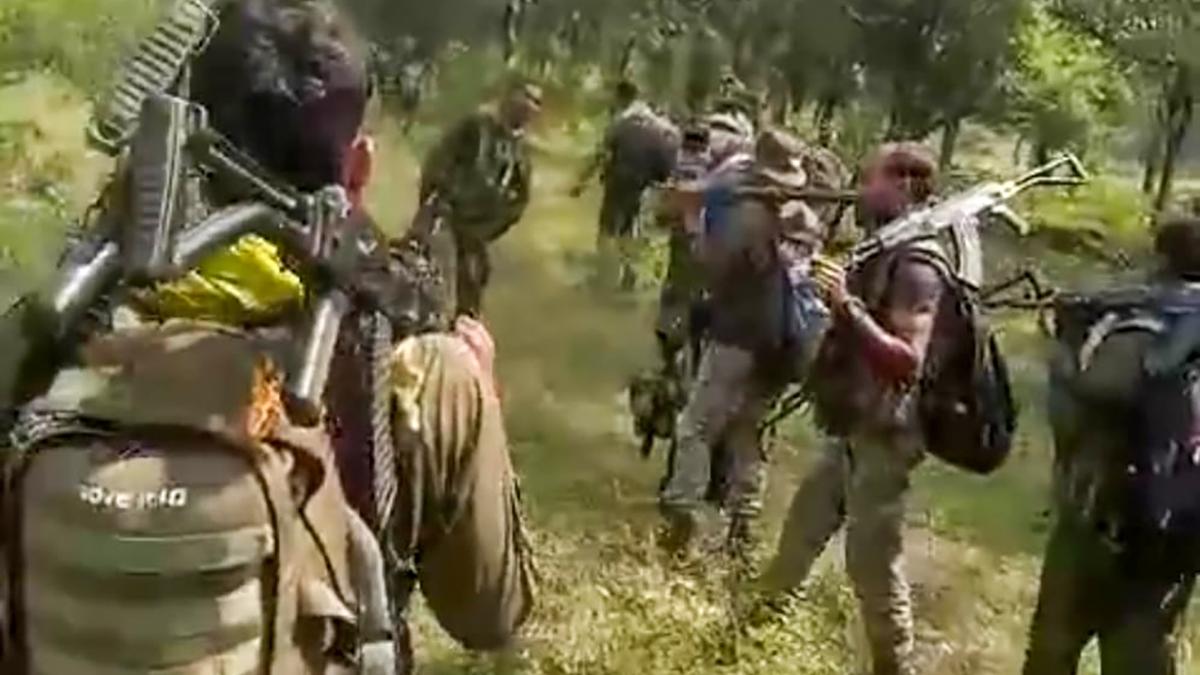
Introduction
The CPI(Maoist) has criticized the Indian government’s strategy of encouraging Maoist cadres to surrender as an inadequate measure in resolving the long-standing issue of left-wing extremism. The Maoists emphasize that meaningful dialogue is not possible unless the ongoing security offensives, such as the Kagar campaign, are halted.
This statement challenges the recent moves by the Chhattisgarh government, which has launched the Maoist Surrender and Victim Rehabilitation Policy 2025. The policy promises financial and developmental support to surrendered Maoists and Maoist-free villages.
Key Issues and Institutional Concerns
1. Demand for a Favourable Climate for Talks
The Maoists maintain that discussions cannot take place amid violence and military offensives. They insist that the government must first stop its anti-Maoist operations to create a peaceful environment conducive to negotiations.
2. Rejection of One-Sided Surrender Appeals
The Maoist letter argues that surrender policies alone cannot resolve deep-rooted ideological and socio-political conflicts. The movement sees such policies as superficial and inadequate without structural change or genuine dialogue.
3. Government’s Counter-Strategy
The Home Minister and Chhattisgarh administration continue to promote the 2025 Surrender Policy, which includes:
-
Financial support to surrendered cadres
-
₹1 crore development grants for Maoist-free villages
-
Promises of integration into the mainstream
4. Importance of Dialogue with Leadership
The Maoists have called for top-level discussions, emphasizing that decisions regarding peace talks should involve their central leadership, not just local cadres. They insist on a proper platform where both sides can engage with mutual respect and clear agendas.
5. Mixed Government Response
Chhattisgarh Deputy Chief Minister Vijay Sharma reiterated the state’s willingness to talk. However, he insisted that Maoists first withdraw from villages and halt violent actions. The government is open to discussions at any level—central or local—but has refused to pause its security operations.
Challenges and the Way Forward
-
Need for Confidence-Building Measures: Without mutual trust, any peace process may collapse. Both sides need to demonstrate sincerity.
-
Balancing Security and Peace Efforts: The government must strike a balance between military strategy and dialogue.
-
Empowering Local Communities: Villagers in conflict zones should be key stakeholders in peace processes.
-
Creating Neutral Mediation Channels: Third-party mediators or civil society groups could help facilitate negotiations.
-
Transparent and Inclusive Dialogue: Peace talks should include voices from all affected regions, and not be limited to top leadership.
Conclusion
The CPI(Maoist)’s latest letter underscores the limitations of surrender-based approaches and the need for deeper, structured dialogue. While the government sees surrender as a path to peace, the insurgents argue for a political and ideological resolution. As the conflict persists, the path to peace must involve more than arms being laid down—it must address the root causes of alienation, violence, and underdevelopment.
Q&A Section
Q1. What is the Maoists’ main objection to the surrender policy?
They argue it’s not a complete solution and that talks can’t happen amid ongoing military offensives.
Q2. What does the Maoist letter demand from the government?
A halt to the Kagar campaign (anti-Maoist operation) to create a peaceful environment for negotiations.
Q3. What does the Chhattisgarh government’s 2025 Surrender Policy offer?
It offers financial assistance to surrendered Maoists and ₹1 crore in development aid to Maoist-free villages.
Q4. What was Union Home Minister Amit Shah’s message to Maoists?
He urged them to surrender and assured that villages aiding in this would benefit from government schemes.
Q5. Are both sides open to dialogue?
Yes, but with conditions. The Maoists demand a violence-free environment first, while the government says it’s ready to talk but insists Maoists must first end their violent acts and vacate occupied areas.
