
About China’s moves must recast India’s critical minerals push
Why in News: China expanded its export control list by including 28 U.S. entities, restricting access to critical minerals vital for high-tech industries like aerospace, semiconductors, and electronics. This highlights the growing geopolitical competition for critical minerals, a situation that directly impacts countries like India, which remains heavily reliant on imports for these essential materials. The situation underscores India’s need to strengthen domestic mineral exploration and production capacities.
- China’s Strategic Mineral Export Controls
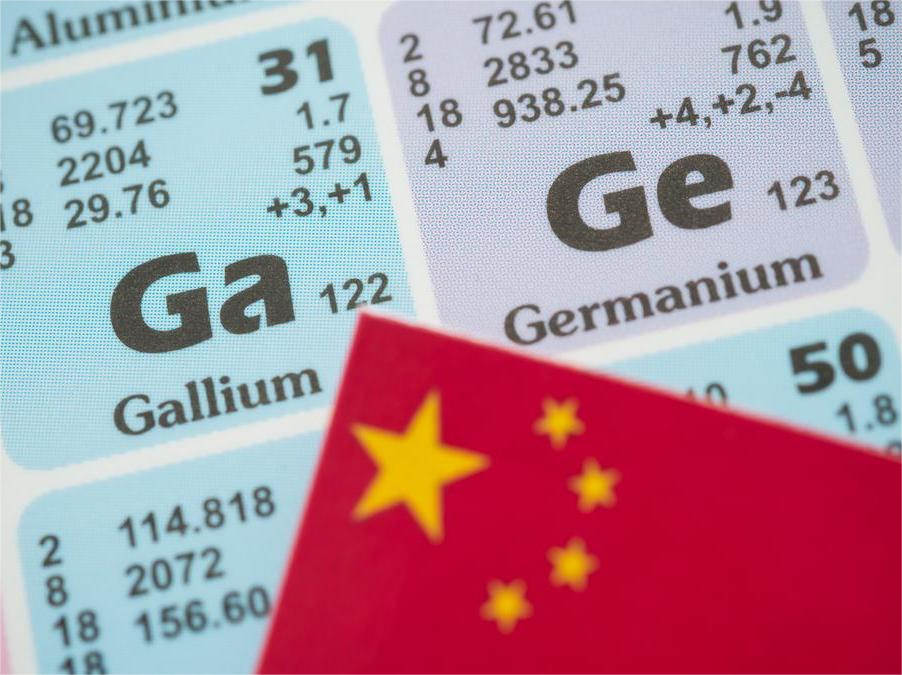
- Targeted Minerals:China’s export control targets critical minerals such as tungsten, gallium, lithium, and magnesium, vital for industries like semiconductors and batteries.
- Weaponization of Minerals: This is not the first instance of China using mineral exports as leverage, seen previously in the 2010 rare earths embargo against Japan.
- Strategic Calculations: China balances its restrictions carefully, avoiding impacts on its own industries and the global supply of minerals heavily reliant on Western imports.
- India’s Mineral Diplomacy and Exploration Efforts
- Current Dependence:India continues to rely heavily on imports for critical minerals, such as lithium, cobalt, and rare earth elements, vital for its energy transition and technology manufacturing.
- Policy Initiatives: The Indian government has introduced reforms such as the Mines and Minerals Amendment Act 2023 and set up KABIL to secure overseas mineral investments, aiming to diversify supply sources.
- Challenges in Exploration: Despite these reforms, domestic exploration remains sluggish, with insufficient foreign participation and challenges in the classification and commercial viability of mineral blocks.
- Key Issues in India’s Mineral Exploration and Market Participation
- Outdated Classification System: India’s outdated resource classification system leaves many auctioned mineral blocks in early exploration stages, deterring investment.
- Low Demand for Exploration Licenses: Despite reforms, the demand for exploration licenses remains low, reflecting the risk perception and lack of interest from private and foreign investors.
- Need for Fiscal Incentives:Offering larger upfront fiscal incentives for exploration could mitigate the risks, encouraging both domestic and foreign participation in mineral extraction projects.
1. Why is China’s expanded export control list significant?
Answer: It restricts access to critical minerals like tungsten and gallium, impacting high-tech industries and highlighting geopolitical competition.
2. What are China’s targeted minerals in export controls?
Answer: Minerals like tungsten, gallium, lithium, and magnesium critical for semiconductors, batteries, and electronics.
3. How is India addressing its reliance on imported minerals?
Answer: Through policy reforms like the Mines and Minerals Amendment Act 2023 and initiatives like KABIL for overseas investments.
4. What challenges does India face in mineral exploration?
Answer: Outdated classification systems, low demand for exploration licenses, and insufficient fiscal incentives.
5. What can India do to boost mineral exploration?
Answer: Modernize classification systems, offer fiscal incentives, and attract private and foreign investments.

